
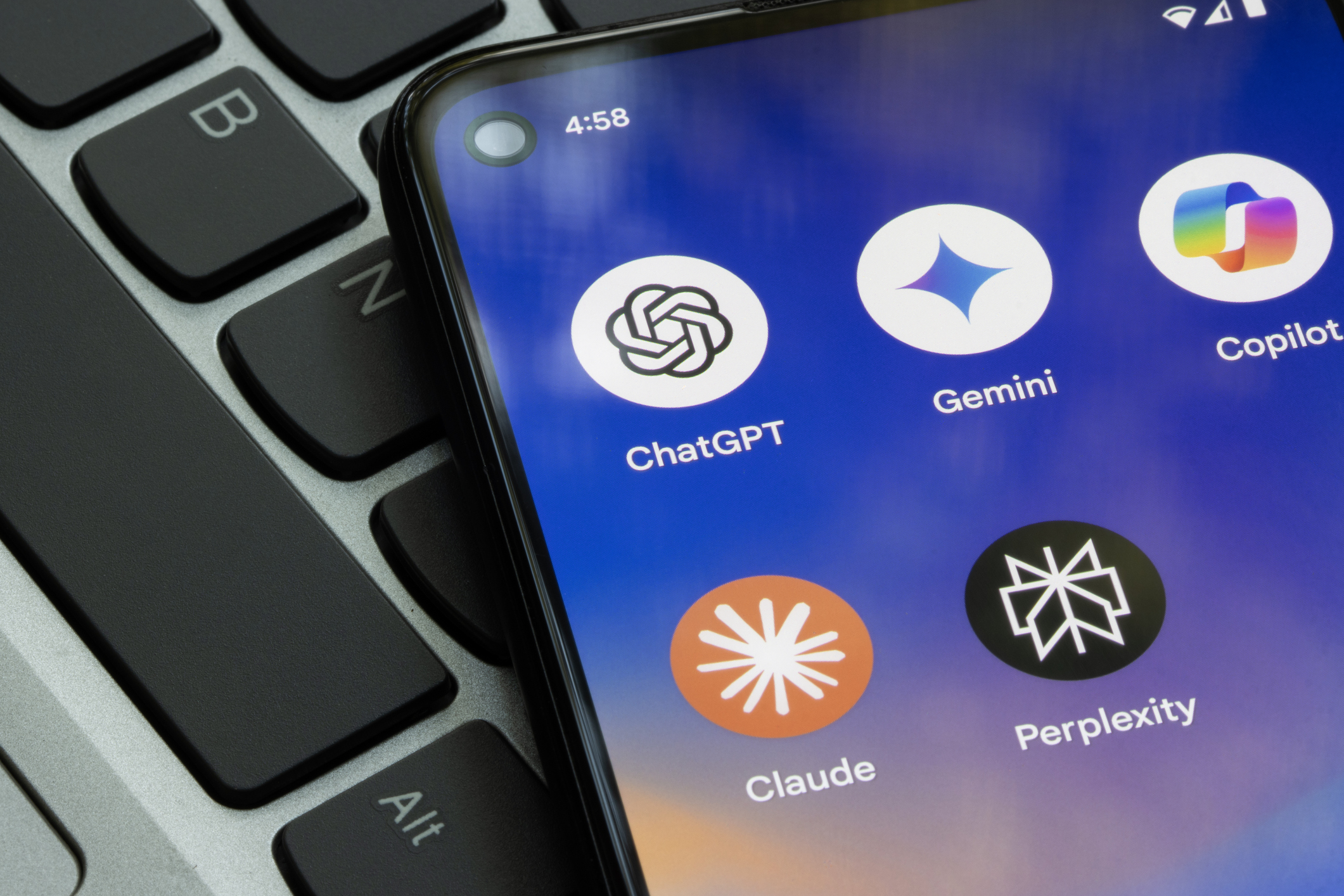
AI Agents: The Next Big Thing or a New Security Risk?
The world of artificial intelligence is changing fast—and this month brought one of its biggest leaps forward yet. OpenAI, the maker of ChatGPT, has announced that AI agent functionality is now available to all ChatGPT Plus subscribers. This means the AI tools many people already use for writing assistance, brainstorming, and research can now perform complex tasks autonomously—potentially transforming how we interact with digital tools.
But this new technology also raises an important question: How much trust should we place in AI agents?
What Can AI Agents Actually Do?
ChatGPT’s new agent functionality is designed to handle advanced tasks on your behalf. These agents can:
-
Make purchases
-
Book travel or appointments
-
Update your calendar
-
Summarize documents
-
Interact with APIs or perform repetitive online tasks
In essence, these tools go beyond answering questions—they can act like digital assistants with real-world access and responsibilities. And while this opens the door to increased productivity, it also introduces serious security considerations.
Should You Trust AI with Your Personal Information?
That’s the big question. While these tools are incredibly powerful, they require a high level of access to be truly useful. This often includes your login credentials, calendar permissions, and even payment information.
Ask yourself:
-
Would you trust AI to shop for you?
-
Are you comfortable letting AI book a flight or hotel using your credit card?
-
What happens if the AI makes a decision you didn’t intend—or shares data in a way you didn’t expect?
As AI agents become more capable, these questions shift from theoretical to urgent.
The Rise of Credential Stuffing—Faster Than Ever
Whether you choose to use an AI agent or not, their existence creates new cybersecurity challenges for everyone. Criminals are already using AI tools to automate attacks, and credential stuffing—where attackers use stolen usernames and passwords across multiple services—is faster and more sophisticated than ever.
With AI agents capable of testing thousands of credentials at once, weak or reused passwords can be compromised in seconds. This is a critical time to:
-
Review and strengthen your passwords
-
Use multi-factor authentication (MFA)
-
Avoid password reuse across different platforms
AI Agents Are Already Here—Even If You Didn’t Pay for One
If you think AI agents are something you’ll “wait and see” on, you may want to double-check your current tools. The ChatGPT agent isn’t just available through OpenAI’s $20/month ChatGPT Plus plan—it’s also included in Microsoft Copilot and Microsoft 365 subscriptions via Copilot Chat.
If you or your company uses Microsoft 365, you may already have AI agent capabilities integrated into your workday—whether you know it or not.
Final Thoughts
AI agents have the potential to significantly improve productivity and efficiency, but they’re not without risk. Now is the time for individuals and businesses to take a closer look at how AI is being used, where sensitive data is going, and what safeguards are in place.
Before handing over credentials or access to sensitive systems, evaluate your comfort level and understand the security implications of AI automation. Like any powerful tool, AI agents offer both opportunity and risk—it’s up to us to use them wisely.
