
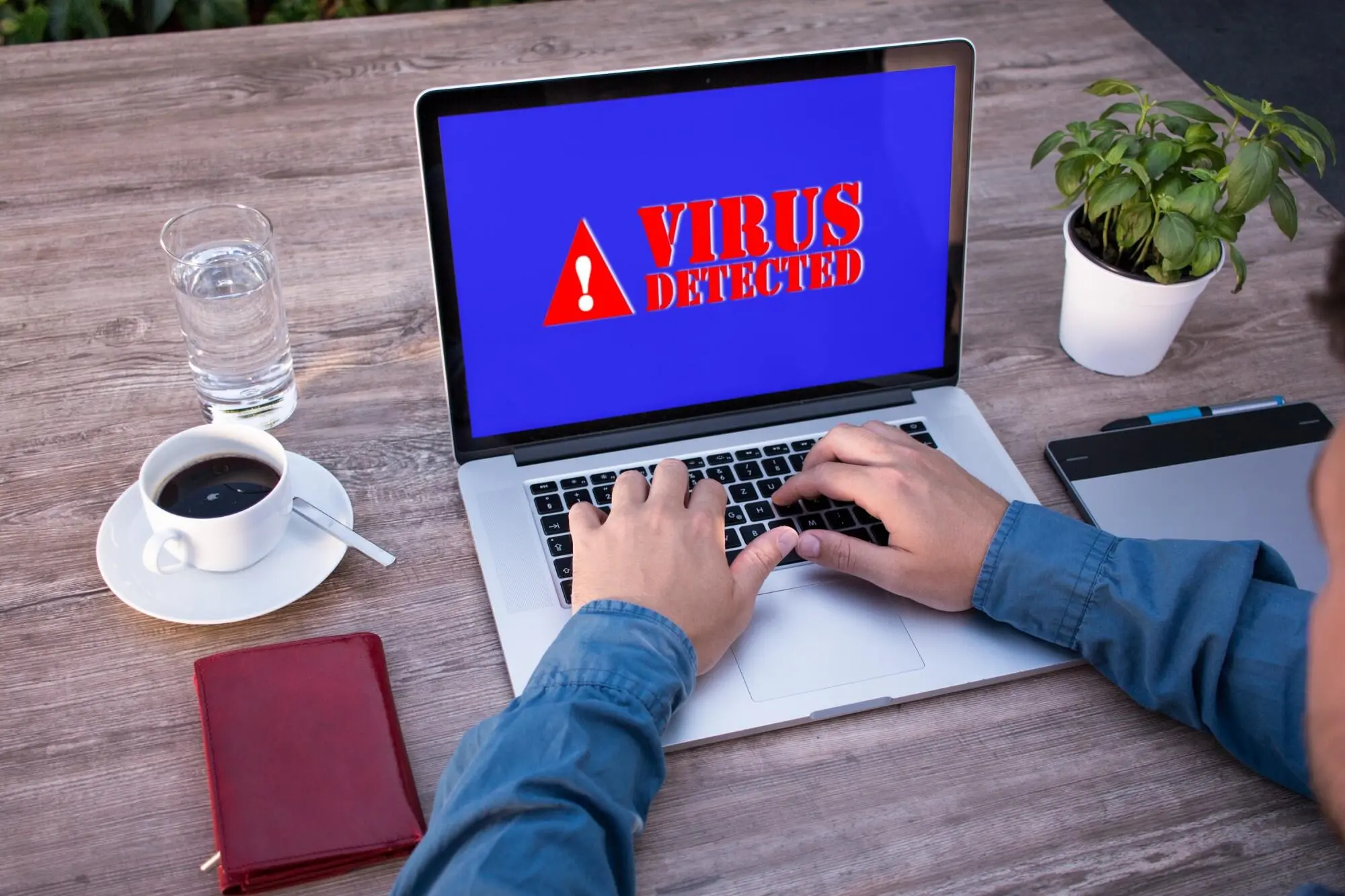
According to Worth Insurance, more than 560,000 new pieces of malware are discovered each day.
Are you aware of the risks and mitigation of malware for your business? Malware can have devastating effects, including financial loss and data breaches.
Today, we’re taking a closer look into the strategies for protecting your business by understanding these risks and exploring effective mitigation techniques.
Malware Risks
Malware poses significant threats to businesses, and understanding these risks is key to protecting your operations. There are three main concerns businesses face when dealing with malware:
- Financial Loss
- Data Breach
- Operational Disruption
Financial Loss
Malware attacks can lead to substantial financial losses. It can come from direct costs such as ransom payments or expenses related to system repairs and data recovery. The impact on a company’s finances can be severe, affecting profitability and long-term stability.
Data Breach
A data breach is another serious risk associated with malware. When malware infiltrates a system, it can access sensitive information, including customer data and confidential business documents. It can result in loss of customer trust and legal consequences.
Operational Disruption
Malware can disrupt business operations by corrupting files or making systems inoperable. The interruption can hinder productivity, delay projects, and damage your company’s reputation. Quick recovery from these disruptions often requires significant resources.
Key IT Security Measures
Having reliable antivirus software is a fundamental part of malware protection. This software helps detect and remove malicious programs before they can do serious damage. Regular updates to the antivirus program keep it effective against the latest threats.
Keeping all your software up-to-date is another critical measure. Updates often include security patches that fix vulnerabilities exploited by malware.
Training staff to recognize suspicious emails or links and to follow best practices for cybersecurity reduces the chance of inadvertently introducing malware into your systems.
Regularly backing up your data is essential for recovery in case of a malware attack. Backups ensure you can restore your systems and data quickly, minimizing downtime and potential losses.
Strategies for Preventing Malware Attacks
Protecting your network is a fundamental step in preventing malware attacks. Using firewalls and intrusion detection systems helps block unauthorized access and monitor unusual activity. These tools are essential for defending against external threats.
Limiting access to sensitive information is another important strategy. Ensure that only authorized personnel can view or modify critical data. Proper access controls help prevent unauthorized users from introducing or spreading malware within your network.
Configuring your systems securely reduces vulnerabilities that malware can exploit. This includes setting up strong passwords, disabling unnecessary services, and applying security settings.
Conducting regular security audits helps identify and address potential weaknesses in your systems. Audits review your security measures, check for compliance, and ensure that protections are up-to-date. Regular checks help catch issues before they become serious problems.
Risks And Mitigation of Malware
Understanding the risks and mitigation of malware is vital for any business.
At Pegasus, we take a customer-centric approach to IT service. To start, our focus is on great customer service and building relationships. We have simple pricing with basic tiers to choose from, consistent and human-based live support, and we utilize meticulous tracking to make sure nothing falls through the cracks.
Get in touch today to find out how we can help you fight malware!