
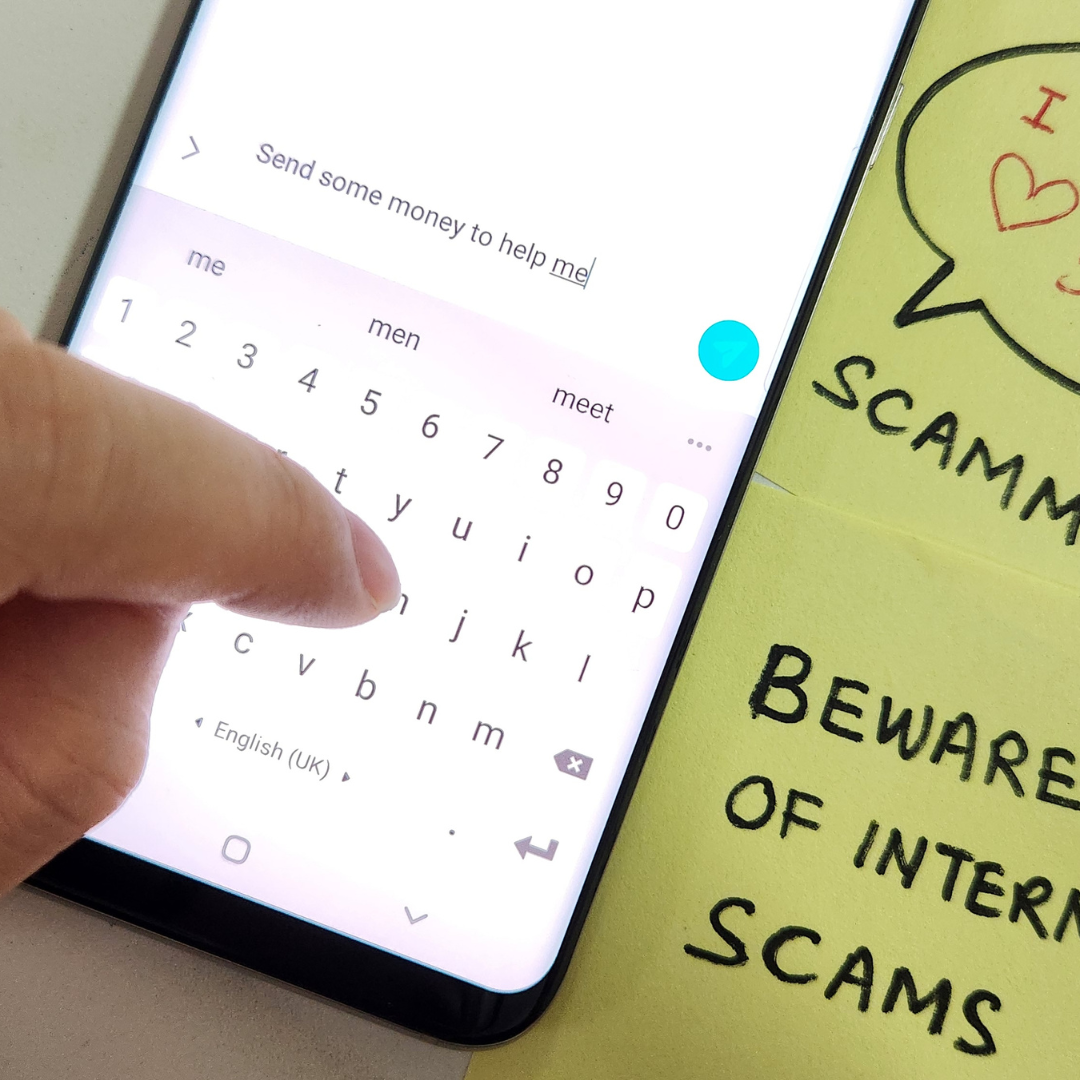
Scams, Scams, and More Scams: How to Protect Yourself from Cyber Threats
The past month has been nothing short of a roller coaster of current events. From CrowdStrike computer outages to the Summer Olympics, an assassination attempt, and changing faces in the presidential race, it’s been a whirlwind of news.
Amid these stories, one critical piece of news may have slipped under your radar: AT&T announced a significant breach of call and text message logs. This breach means criminals may know who you communicate with and how often, even if you aren’t an AT&T customer. Armed with this data, cybercriminals can spoof Caller ID, making it look like your friends, family, and business colleagues are contacting you when it’s really a criminal on the other end.
Understanding the Threat: How Scammers Use Communication Patterns
Intriguing headlines and knowledge of communication patterns combine to mean one thing you need to know: criminals can now craft some very clever messages with content you’ll find enticing. You may be tempted to open messages and click links you wish you hadn’t. We are long past the days of detecting illegitimate messages by their bad grammar and spelling errors. Criminals are very well funded and have become skilled with AI. Even a voice call that appears to be from someone you personally know could be fake.
In a scenario like this, what would you do? What would your colleagues do? What would your friends and family do?
Imagine getting a call, text, or email from someone you know, telling you to do something or click a link because of something in the news. The implications of this kind of manipulation are far-reaching, affecting both personal and professional communication.
Protecting Yourself: Practical Steps to Avoid Scams
With scams becoming increasingly sophisticated, it’s crucial to stay vigilant and take proactive measures to protect yourself from cyber threats. Here are some practical steps you can follow:
- Be Cautious of Caller ID Information
Caller IDs can be easily spoofed, so do not rely solely on them to verify a caller’s identity. Always confirm the caller’s identity through other means before sharing any information. - Verify Sensitive Requests
If you receive a call or text asking for money, access, or other confidential information, hang up and call the person back using a number for the requestor that you know to be genuine. Verification is especially important for business transactions and sensitive information. - Do Not Bypass Security Protocols
Even if there’s urgency to prevent something bad from happening, don’t bypass security protocols. These protocols were created for times like this to safeguard your information and prevent unauthorized access. - Be Wary of Requests for Personal Information
Legitimate organizations will not ask for personal, account, or credit card details via text or call. Always verify such requests through official channels. - Think Twice Before Clicking Links
If you receive a link you want to click, delete the email or text, then either open an app to check it out or manually type the name of the website you want to visit in a web browser. This approach ensures you’re accessing the legitimate site and not a fraudulent one. - Secure Your Passwords
Ensure your passwords are strong and unique for each account. For tips on creating secure passwords, read our guide on secure passwords.
More Resources for Staying Safe
Staying informed is a crucial part of protecting yourself from scams. The Federal Deposit Insurance Corporation (FDIC) provides valuable insights on how to identify and protect yourself from financial scams. You can read their comprehensive article on the topic here.
Additionally, our security solutions page at Pegasus Technologies offers more information on how to protect your digital life.
Final Thoughts
As technology continues to advance, so do the methods used by scammers. Staying vigilant and informed is your best defense against these cyber threats. At Pegasus Technologies, we’re committed to providing you with the tools and knowledge you need to stay safe in this digital age. If you have any questions about how to improve your safety, don’t hesitate to reach out to us.
By taking these precautions and staying aware of the latest scams, you can protect yourself and your loved ones from falling victim to cybercriminals. Together, we can navigate the digital world safely and securely.
